In the shifting landscape of modern organizations, team meditation is becoming more than a trend. It's a way to shift how we relate, how we face pressure, and how we understand collaboration. We know that the quality of presence we share with others shapes our collective performance, but there are questions: how do we move from individual mindfulness to a group that breathes and grows together? How do we actually bring a sense of collective presence to our daily routine?
Why collective presence matters
We've witnessed that when people practice mindfulness in groups, a subtle transformation occurs. Tension gives way to calm. Distraction turns into attention. Instead of individuals moving alone, the team becomes like a flock, navigating work with a shared awareness that is steady and supportive.
Shared attention is the soil where trust grows.
Collective presence is more than many people meditating at the same time; it is the experience of being present and attentive together, creating an atmosphere where everyone feels seen and valued. This presence has ripple effects: relationships grow deeper, communication becomes clearer, and the work climate shifts from hurried to human.
What is needed for successful team meditation?
We’ve guided groups from small teams to large organizations, and we see that success comes down to a few conditions. A safe space. Clear intention. Consistency. And, above all, a willingness to experiment together.
- Safe space: People need to know that meditation time is protected and that participation is free from judgment.
- Intention: Even the simplest shared intention—like starting the week with calm—sets a tone.
- Consistency: Small, regular sessions nurture deeper results than rare, long practices.
- Experimentation: Teams grow with curiosity, not by following strict rules.
Preparing the groundwork for practice
Simple preparation goes a long way. We recommend starting with practical steps:
- Choose a time when most can join. Morning or after lunch works best for many teams.
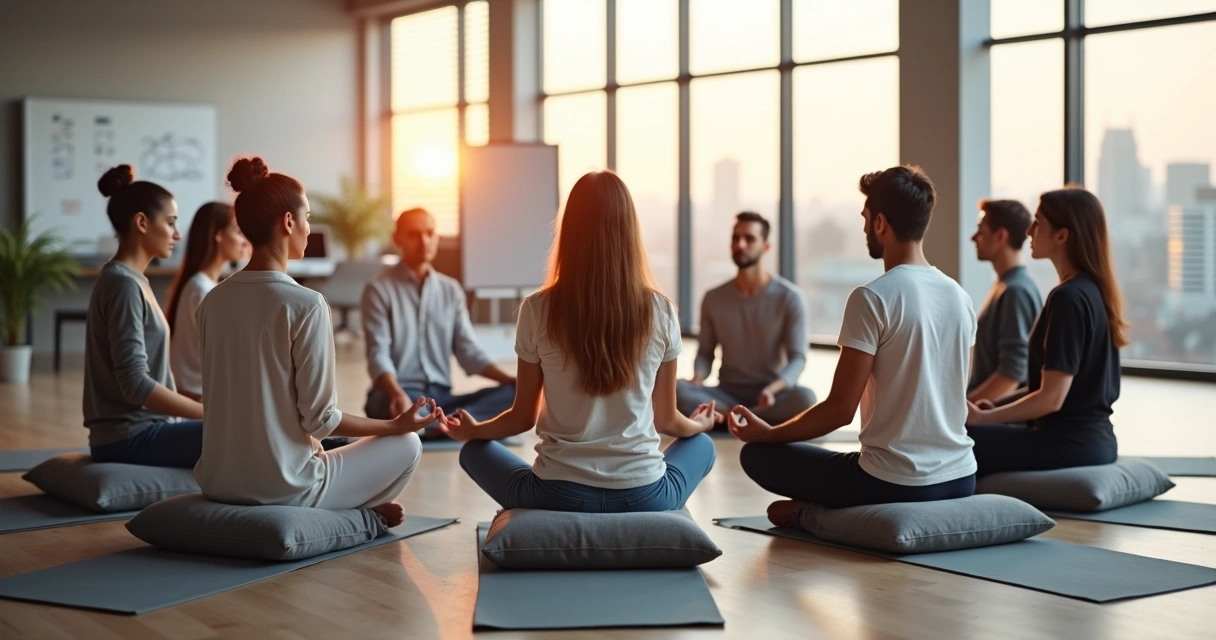
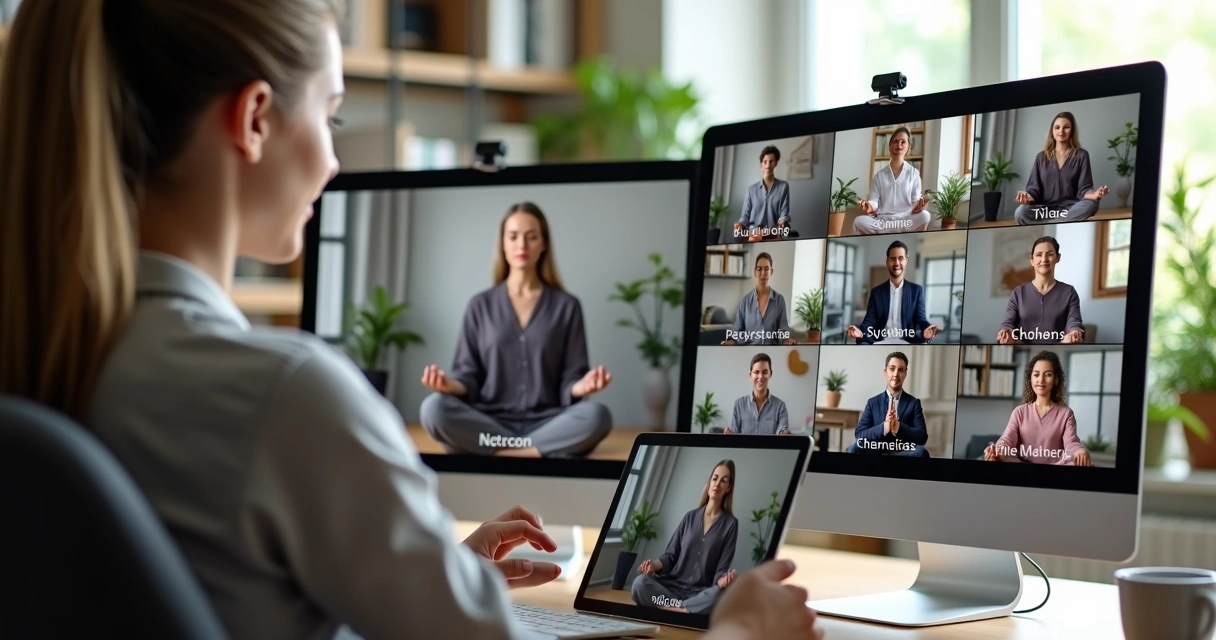
- Select a quiet room. A circle of chairs is ideal, but online sessions work too.
- Decide on meditation length. Five to fifteen minutes is usually enough.
- Choose a facilitator or rotate the role. No experience is needed—just a calm, friendly presence.
Key techniques to cultivate collective presence
Over time, we've gathered practical methods that help bring a sense of unity and calm to group meditation. Each technique can be adapted for face-to-face or virtual teams, and for beginners or seasoned practitioners.

Breathing together
The most powerful technique is also the simplest. We invite the team to close their eyes and bring attention to their breath. One person, perhaps the facilitator, guides a few slow inhales and exhales. Then everyone is silent, breathing together for several minutes.
For a united experience, count the breath silently as a group—inhale... exhale...—noticing the natural rhythm that emerges.
Body scan with group intention
Another grounded method is the team body scan. Starting at the crown of the head and moving down to the feet, everyone notices sensations, tension, or energy. We encourage setting a group intention, like “relax together” or “bring openness to collaboration,” tying the scan to something the team wishes to strengthen.
Shared listening practice
Listening is at the heart of collective presence. After a few minutes of meditation, we invite a period of shared listening. Each person names a word that reflects how they feel, one at a time. The group listens deeply with no response or judgment—just receiving.
Deep listening turns a group into a team.
Synchronizing with sound
We often use a gentle sound—a chime, singing bowl, or bell—at the beginning and end of meditation. Sound helps anchor attention and signals a transition into and out of the meditative space. For virtual teams, everyone can listen to the same audio. For in-person teams, sharing the live sound creates a subtle bond.
Short guided visualizations
Visualization can tap into a sense of unity. We guide the group in a simple scene—like everyone walking together through a peaceful landscape, or seeing the team’s shared purpose as a light connecting each person. A few minutes are enough. What matters isn’t the details, but the shared mental focus.
Group meditation: Tips for real teams
Teams are not always comfortable with silence at first. We’ve seen some giggle, some look around, some worry if they’re “doing it right.” That’s why we suggest these gentle tips from our experience:
- Normalise the awkwardness. Laugh if you need to. Silence gets easier each session.
- Celebrate commitment, not perfection. Just showing up is already a lot.
- Rotate facilitation for variety and shared ownership.
- Invite—but never require—sharing after the meditation. Respect personal space.
Measuring the impact
How do we know if collective presence is working? We listen. At first, team members mention better focus or a calmer start to the day. As weeks pass, feedback grows more personal: “I noticed I was more patient during meetings,” “We solved conflicts faster,” “It feels good to know I’m not alone in the chaos.”
The shift shows not just in output, but in how people feel within the team.
Adapting over time
As the team’s confidence grows, sessions can change. Some groups add mindful walking or stretching. Others read brief texts together or reflect on challenges. What matters is staying flexible. Collective presence is a living practice, not a fixed routine.
Conclusion: Choosing presence, together
We have seen that group meditation is a living experiment in trust, patience, and shared growth. Teams that stick with the practice, even when it feels new or strange, often share something rare in organizations: calm connection, real collaboration, and steady confidence under pressure.
Presence is a choice we make together, every day.
In our view, when a team invests in quiet moments together, it plants the seeds for stronger relationships, clearer conversations, and a healthier climate—one breath at a time.
Frequently asked questions
What is team meditation?
Team meditation is the practice of meditating together as a group, either in person or virtually, with the shared intention of creating calm, focus, and connection among all members. It usually involves guided meditation or silent reflection, lasting a few minutes, and is designed to help team members become more aware of their own state and the shared atmosphere they create.
How can teams meditate together?
Teams can meditate together by scheduling short sessions, choosing a facilitator, and selecting techniques like shared breathing, body scans, or listening practices. Whether in a meeting room or via video call, the aim is for everyone to be present, attentive, and respectful of the collective process.
What are the benefits of group meditation?
Group meditation builds trust, reduces tension, and improves focus. Shared mindfulness also deepens relationships, strengthens communication, and fosters a healthier work environment where team members feel supported and valued.
How to start team meditation sessions?
Start by inviting interest, selecting a regular time and place, and keeping sessions brief and welcoming. Choose easy methods, like guided breathing or body scans, and rotate leadership so everyone feels included. It helps to frame sessions as an experiment and encourage open feedback to adapt as the group grows comfortable.
Is team meditation worth the time?
Yes, most teams find that just a few minutes spent in shared stillness pay back in calmer interactions, stronger collaboration, and better morale. The benefits often appear quietly at first but grow with consistent practice.