

Trust runs quietly in organizations. It shapes decisions when eyes meet in a meeting room. It’s there when teams celebrate a small win, share honest feedback, or ask for help. But how do we measure trust? What does it look like in data and not just in stories? Over the last years, we have seen new perspectives and approaches. These give us clear ways to sense, study, and strengthen trust.
Why measuring trust matters
We understand that trust isn’t soft, vague, or abstract. It’s reflected in outcomes such as team retention, collaboration, and even financial performance. When trust wanes, confusion and fear seep in. When it flourishes, organizations move with clarity. In short:
Trust changes outcomes before numbers appear.
We have seen workplaces where deadlines were always met, but people looked worried. Productivity looked fine—on paper. In practice, anxiety and second-guessing slowed the real progress. Trust, or lack of it, was the missing link.
- Low trust means missed opportunities and hidden mistakes.
- High trust means honest conversations, quicker learning, and collective wins.
- Spotting the right signals can reveal what numbers on a spreadsheet can't.
Measuring trust makes the invisible visible and gives us a place to act. We can assess, adjust, and grow what matters most.
Traditional views: Why old models fall short
Conventional tools often asked direct questions:
- Do you trust your manager?
- Can you rely on your team?
- Do you feel safe speaking up?
While direct, these questions lead to surface answers. Many people fear that negative responses could be held against them. Some aren’t aware of their lack of trust until it causes a problem. Traditional methods sometimes fail to spot subtle forms of distrust: hidden tensions, unspoken doubts, or collective stress.
Trust is rarely about a single moment or conversation, but about patterns built over time. Newer approaches attend to this complexity. We have found that the more nuanced the tool, the more honest the signal.
Modern approaches to measuring trust
Organizations now use blended approaches that combine feelings, behavior, and systemic dynamics. We notice that the following methods bring trust assessment closer to reality.
Behavioral observation
Behavior doesn’t lie. People who trust each other:
- Share credit openly.
- Ask for help without shame.
- Accept honest feedback.
- Speak up in meetings, not just outside the room.
- Take sensible risks with support from others.
We look for these signs, sometimes through management diaries or peer observations. Teams can use behavioral checklists in real time, scoring meetings or daily interactions. The goal is not to rate people but to spot trends together.
Network analysis
Social network analysis reveals who connects to whom, how information flows, and where trust clusters or bottlenecks. With network maps, we see patterns that surveys miss.
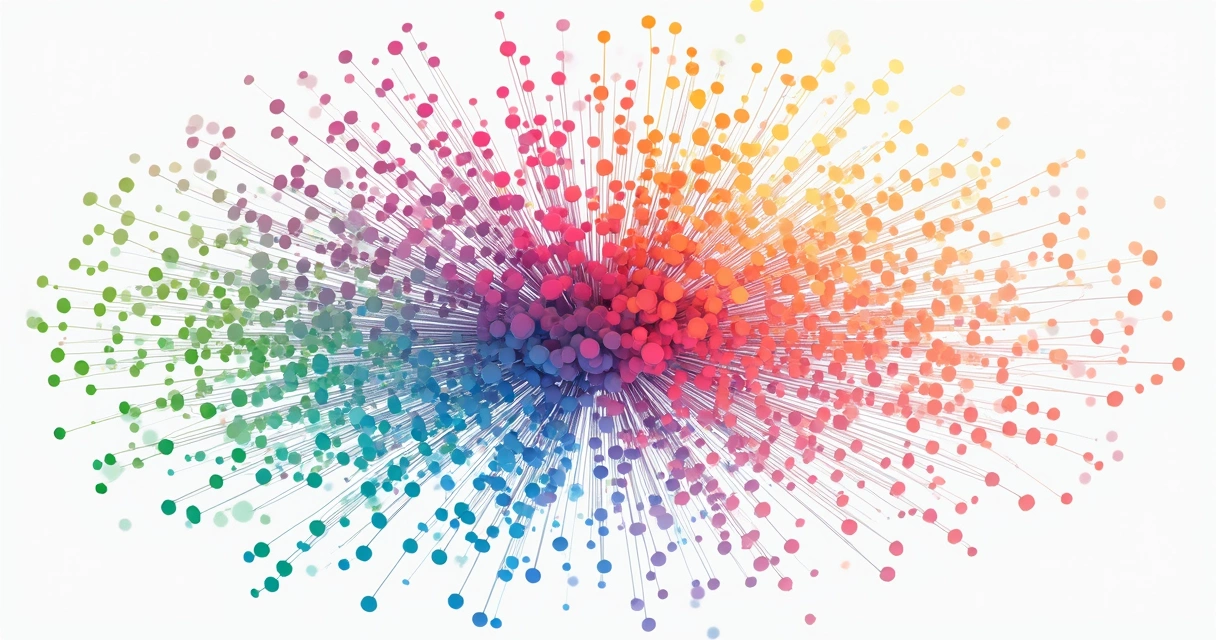
For instance, we have spotted silent leaders—those who aren’t managers but are trusted by many. If these individuals leave, trust can ripple or break. Recognizing these trust brokers can help us build stronger, more resilient cultures.
Sentiment analysis
Digital tools can process language in emails, chat, or surveys to pick up the tone of workplace communications. While privacy must be protected, patterns in the words people use often point to deep trends: enthusiasm, hesitation, skepticism, or support.
Sentiment analysis offers a pulse reading of trust, not a full diagnosis, but it reveals mood shifts faster than traditional reporting.
Systemic mapping
We use systemic mapping to understand trust at the group and organizational levels. This approach captures relationships, power dynamics, and the history behind trust.
- Who is included and excluded in decisions?
- Where do repeated misunderstandings happen?
- What patterns of blame or support are present?
By representing roles and connections—not just people—we see more clearly what’s holding trust back or letting it grow.
In-depth interviews and story collection
Facts are numbers. Stories are how people know what they really feel. In confidential interviews, team members often reveal more. Stories show how trust was built, lost, or regained. Common themes in stories point to shared truths.

Collecting a range of stories lets us spot gaps that were invisible in data alone. Stories put a face to trust and make it personal for everyone involved.
Key signals for organizational trust
Through our experience, we prioritize some signals that show the state of trust. These indicators are practical and often surprising in how much they reveal:
- Openness to feedback: Do people ask for and accept feedback without fear?
- Discussion of mistakes: Are errors shared and seen as chances to learn, or are they covered up?
- Peer recommendations: Would team members recommend working here to others they respect?
- Collaboration rates: Are people reaching across silos, or is work stuck in corners?
- Reliance on informal communication: When something serious happens, do people talk, text, or stay silent?
- Authentic leadership presence: Are leaders approachable, visible, and real in words and actions?
How to put trust measurement into practice
We see the best results with a blend of these tools. For example, combining network maps with story listening. Or sentiment analysis with leadership journaling. The secret is not to rely on just one measurement, but to put numbers and narratives in conversation.
Teams can use these findings to start conversations, not just to track scores. A high-trust team grows when its members see trust as their shared creation—not just something from the top.
Some practical steps that have worked for us:
- Check trust signals quarterly, not just once a year.
- Let everyone see the results and ask, “What stories do these numbers hide?”
- Support leaders to act on findings with humility and openness.
- Reward groups who show growth in trust, not just individuals.
- Repeat the cycle and invite new voices each time.
Trust grows where feedback is safe, mistakes are welcome, and learning is public.
Conclusion
Looking at organizations through the lens of trust transforms what we notice and what we build. With modern ways to measure trust, we open the door to deeper, more authentic relationships. The reward is not just smoother teamwork, but a culture where people and business both flourish.
Frequently asked questions
What is trust measurement in organizations?
Trust measurement in organizations means collecting evidence—through surveys, observation, or data analysis—on how much people rely on, support, and feel safe with each other and their leaders. This helps identify areas that need attention and growth to build a healthier, more supportive workplace.
How to analyze trust within teams?
We recommend combining several tools: observing team behaviors, holding open feedback sessions, mapping relationships, and listening to people’s stories. The mix of data and real experiences gives a more complete picture of trust in teams, beyond just survey numbers.
Why is measuring trust important?
Measuring trust is key because it influences every part of an organization: performance, communication, retention, and innovation. When trust is measured regularly, organizations can identify invisible risks and act before they become problems.
Which tools measure organizational trust best?
No single tool is best for every situation. We find that surveys, observation, social network analysis, sentiment analysis, and confidential interviews often work well together. Each approach reveals a different side of trust.
How can I improve trust in organizations?
Start by measuring trust in honest and respectful ways. Share findings openly. Encourage leaders to model transparency and humility. Build habits like active listening, safe feedback, and public recognition of growth. Trust grows best when change is shared and supported by all.