
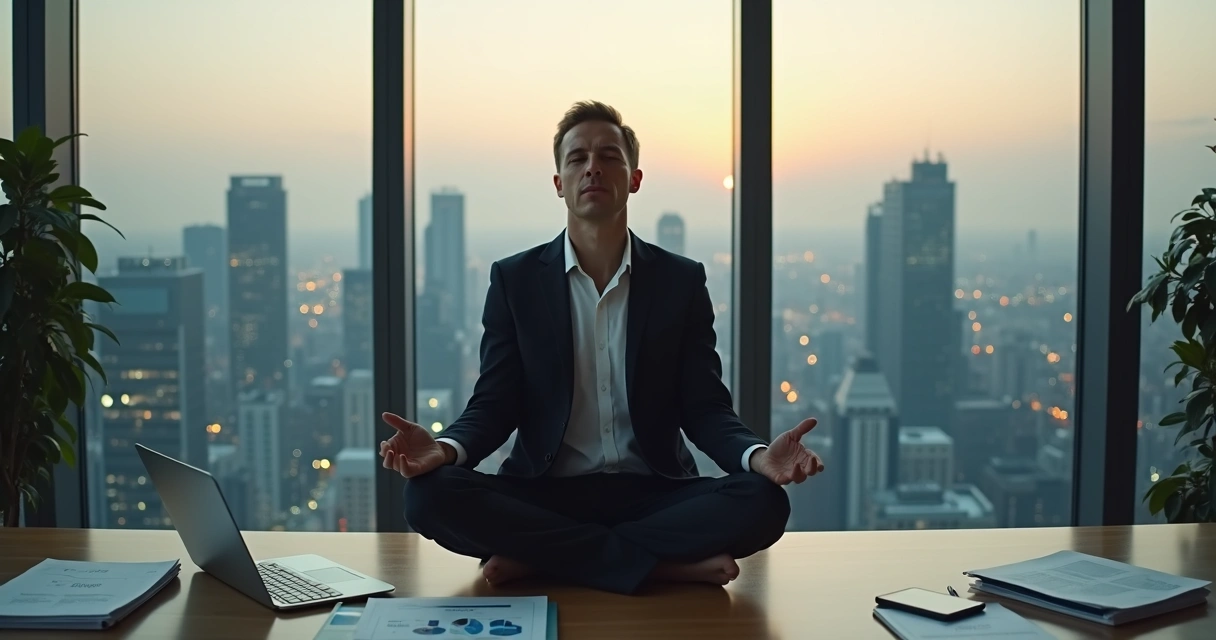
In our experience, the moments when decisions carry the most weight are the moments when clarity is hardest to find. The stakes are high, time runs short, and the familiar tension builds. We know the pressure in those situations is not just external. It settles in the body, clouds the mind, and triggers old emotional responses that may not serve us well. But what if there was a way to find calm within that chaos – a steady center from which wise and clear choices emerge? We have found that insights gained through meditation can be a guiding force in exactly these moments.
Understanding high-pressure decision environments
Anyone who has faced a major decision under pressure can recognize the typical signs. Heart racing. Shallow breaths. Racing thoughts. Uncertainty about whose needs should take priority. In group settings, the energy can feel even more chaotic, as collective fears and hopes swirl together and amplify.
Pressure does not just influence what we think, but how we think and who we become in that moment.
When we are under stress, we are more likely to:
- Make snap judgments and ignore context
- Default to old patterns or biases
- React defensively or impulsively
- Lose sight of both immediate and long-term impact
Sometimes, the pace is so urgent that reflecting or pausing feels almost impossible. Yet it is often in these very moments that fresh perspective matters most.
The impact of awareness on choices
We have seen firsthand how people can carry old emotional wounds or unexamined beliefs into moments of decision. Awareness is not just a passive state – it is an active ingredient in the quality of our actions. Meditation sharpens that awareness by helping us observe our own thoughts and feelings, even as pressure builds.
With awareness, it becomes possible to distinguish between the signal and the noise inside us.
Through meditation, we train ourselves to step back and recognize:
- The difference between an emotional surge and genuine intuition
- When fear is disguising itself as urgency
- When old relational dynamics are shaping the group’s atmosphere
- Which values are present or missing in a decision
The body’s wisdom in moments of stress
The mind often gets all the attention in discussions about decision-making, but the body’s signals can be just as important. When we are tense, breathing quickly, or feeling uneasy, our body alerts us to hidden stress. Meditation attunes us to these subtle internal cues. We think of it as a kind of inner listening that is often neglected.
Listen to the body; it often knows before the mind admits.
In our practice, we teach that slowing down and following the breath, even for a minute or two, can shift a tense body into a more open and reflective state. This shift is not just physical. It opens a mental space in which insights arise and rigid thinking softens.
Meditation techniques for real-time clarity
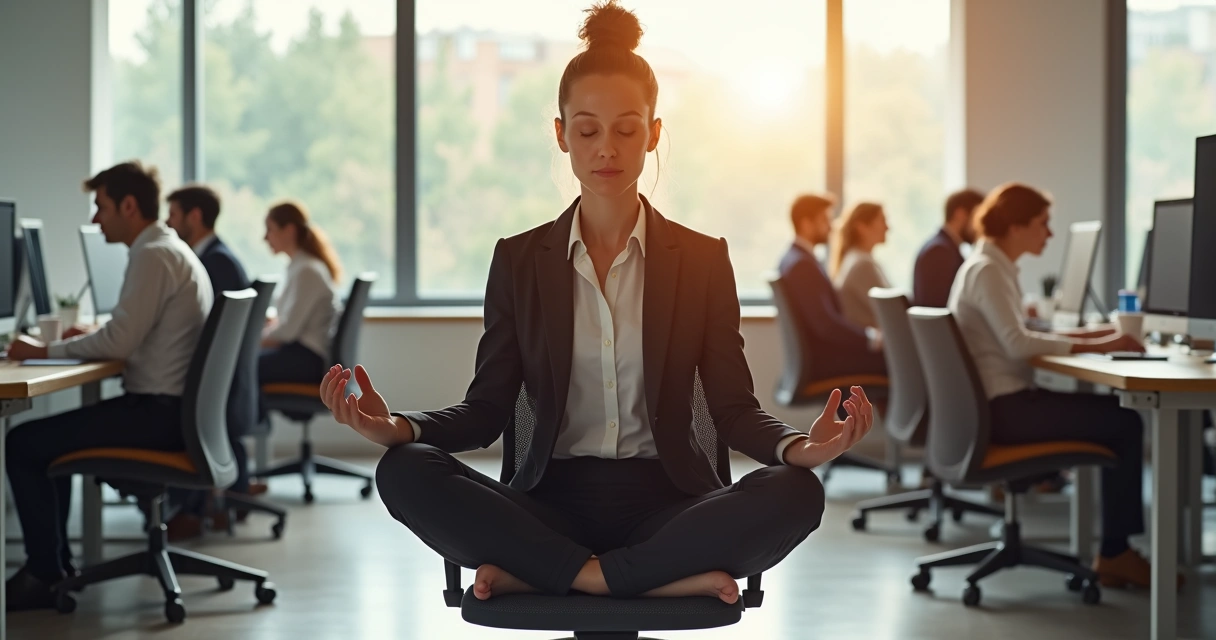
Not all meditation is about sitting with eyes closed for long periods. In high-pressure decisions, we have found a few approaches particularly suitable:
- Moment-to-moment breath awareness: Even three full, slow breaths with attention on the inhale and exhale help lower anxiety on the spot.
- Brief body scans: Quickly moving attention through the body helps release “fight-or-flight” patterns before reacting.
- Observation of thoughts: Noticing which thoughts arise, and which emotions attach themselves, can expose what is coloring our judgment.
- Values check-in: Asking ourselves, “Which value am I serving here?” can cut through confusion or panic.
- Seeing the wider field: For group decisions, visualizing the bigger context and the interconnected impact helps slow down rushed, narrow thinking.
These approaches do not require special settings. In meetings, on calls, or even during quick solo breaks, they can interrupt old reactive patterns and invite something new.
The “pause” as a source of inner stability
We often say, “Pause before you choose.” It seems simple, yet in stressful situations, it is often skipped. This pause is not wasted time. In our view, it’s the ground out of which clear direction grows. Pausing signals to our nervous system that reflection is allowed, which makes space for both clarity and compassion.
Pausing is power; clarity often lives in the space before action.
Teams that build a culture of supportive pausing notice that more perspectives are heard and fewer regretful choices are made. It is not about being slow, it is about being wise.

Shifting the culture of decision-making
Groups reflect the collective internal state of their members, especially under pressure. When some start bringing mindfulness into tough decisions, we often see ripple effects:
- Tense meetings become less about blame and more about solutions
- People speak from intention instead of impulse
- Leaders model calm, which encourages it in others
- Errors are corrected more quickly, with less shame
Introducing even small moments of meditation can transform the emotional climate during high-pressure scenarios.
Holding both outcome and process
There is often a felt need to choose between getting things done and caring about how they get done. Our view is that the best decisions happen when both goals and process are respected. Meditation, when made a habit, reminds us that mature outcomes grow from mature processes. When we sit with ourselves, or with a team, in stillness, we set the stage for more balanced, wise, and sustainable decisions.
Conclusion
When choices must be made quickly and the pressure mounts, our habits take over if we do not intervene. We have learned that meditation does not remove difficulty, but it does provide access to inner steadiness and a more grounded view of the moment. By honoring awareness, listening to the body, creating space for reflection, and practicing together, we can transform the quality of our decisions, and the culture around them.
Frequently asked questions
What is meditation for decision making?
Meditation for decision making means using mindfulness practices to help bring awareness, calm, and clarity into the process of making choices. It involves pausing, observing your own thoughts and emotions, and checking your inner state before acting. This can be done through breath focus, body scans, or asking inner questions to see what beliefs and values are influencing your choices.
How can meditation help under pressure?
Meditation helps under pressure by relaxing the body, slowing racing thoughts, and increasing self-awareness. When we meditate, even briefly, we break the cycle of stress responses like snap judgments or emotional reactions. This pause gives us a chance to notice our feelings and make more thoughtful, balanced decisions even when the environment feels urgent or intense.
Is it worth it to use meditation?
Many people find that including meditation in moments of stress reduces mistakes, improves relationships, and brings more confidence into tough situations. Even short practices can make a meaningful difference. The value lies in the greater sense of calm and clarity that often comes after pausing to reflect, making any effort to include meditation worthwhile.
What are the best meditation techniques?
Some techniques are especially practical for decision-making, such as:
- Slow, focused breathing for a few moments
- Scans through the body to spot hidden tension
- Brief pauses to notice and name emotions or thoughts
- Reflecting inward to recall key values or priorities
How to start meditating for decisions?
To begin, find a way to pause before you make a high-pressure choice. Set aside one or two minutes to focus on your breath or scan your body for tension. Notice what emotions or thoughts come up, but do not rush to act. This short moment of inner reflection can help you see the next step more clearly, bringing both calmness and confidence into the decision.