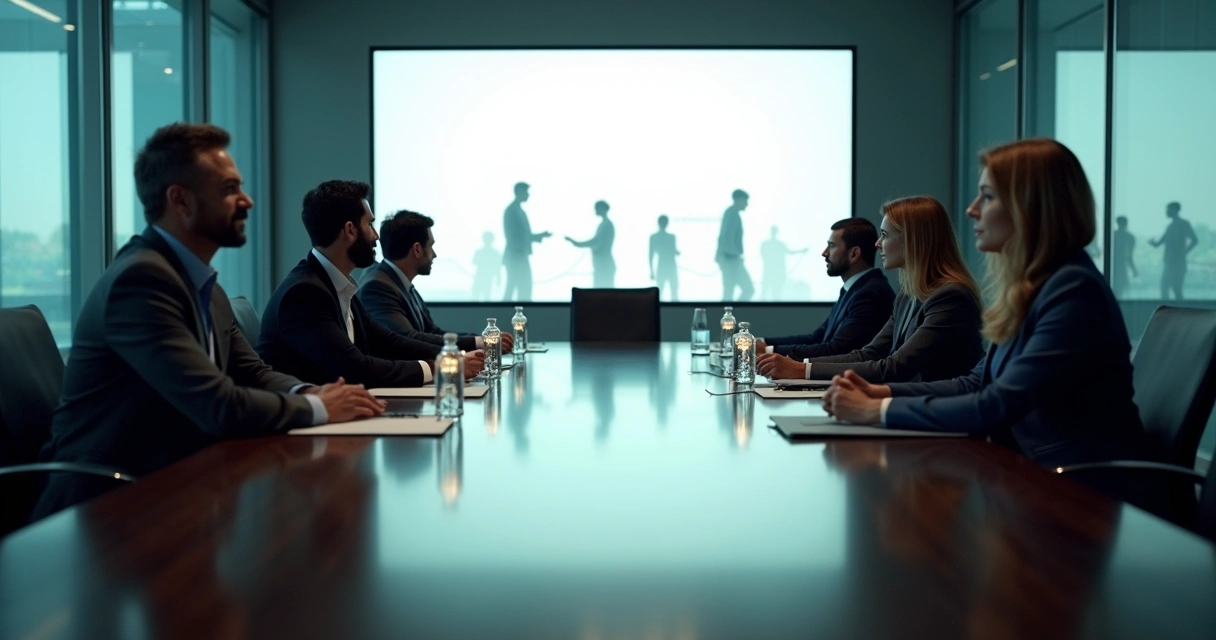

Hiring with inclusion in mind has become a standard that we all strive for. Yet, even with well-intended policies and explicit training, subtle forces still shape who enters our organizations. These hidden forces often take the name of unconscious bias.
Invisible patterns can shape visible outcomes.
We believe that understanding where unconscious bias hides is a first step to truly inclusive hiring. Only when we see it, can we address it. Let us walk through the ways these unseen filters can persist, even when our intentions are aligned with fairness.
How bias sneaks in from the start
The journey of unconscious bias begins before a candidate even reads the job ad. It enters the process when we write requirements, select schools or companies to target, and shape our view of the “ideal” employee.
- Job descriptions often carry unintentional signals. Words like “aggressive,” “digital native,” or “cultural fit” can subtly discourage people who bring diverse backgrounds or ways of thinking.
- When we require certain degrees, locations, or previous employers, we may exclude those who took less traditional paths. Experience shows us that many talented professionals do not fit a perfect mold.
- Even the way we market the vacancy—photos, testimonials, stories—can send “unwritten” messages about who truly belongs.
It is not only what is put in, but what is left out. Unconscious bias hides in the blanks, too.
Screening resumes: A stage for subconscious filters
Once applications arrive, bias often grows in the shadows. Even structured screening can fall prey to invisible preferences.

Some elements that have emerged in our practice:
- Judging names that “sound” foreign or signal gender identity can unconsciously sway decisions.
- Even a gap in the timeline or a non-linear career path sometimes creates doubt, even if it signifies resilience or a range of experience.
- Applicants from less familiar regions, schools, or industries, may get overlooked in favor of those with whom screeners subconsciously identify.
This is often not due to malicious intent or overt discrimination. Instead, it is the brain’s default: picking patterns it already knows, looking for “safe” sameness.
Interviews: When bias wears a friendly face
Interviews should be where inclusion shines brightest. However, they can also be where bias hides most cleverly.
- We often prefer candidates who mirror our personalities or values, calling it “chemistry,” when it is actually affinity bias.
- Subtle signals—accent, dress, gestures—may unconsciously trigger judgments about skill, intelligence, or “fit.”
- Interviewers sometimes ask easier questions or offer more time to those who seem similar, while holding unfamiliar candidates to a higher bar.
Most bias is hidden, but its impact is clear.
We have all had moments where a confident answer felt more persuasive than a thoughtful pause, or when shared hobbies led to lighter conversation and more positive impressions.
Assessment tools: Not always as neutral as we think
Organizations use tests and assessments to “neutralize” bias. Yet, these too can hold hidden prejudices if not carefully chosen and reviewed.

- Some standardized tests reward familiarity with specific language, formats, or cultural references—shutting out those who approach problems from another angle.
- Behavioral questions may favor confident communicators, rather than those with the strongest content or problem-solving skills.
- If assessments have not been validated for fairness, they can appear neutral but reinforce old patterns.
We need to ask: Do our tools measure performance, or do they measure comfort with a status quo?
Culture fit and the myth of neutrality
Many teams put “culture fit” at the core. The idea sounds fair but, in reality, it can camouflage bias very well.
- A too-narrow view of fit often leads to unspoken preferences for certain personalities, backgrounds, or interests.
- When “fit” goes undefined, interviewers rely on instincts, which are usually grounded in their own unconscious bias.
- Statements like “We just clicked” or “She fits our vibe” may sound positive but often reflect comfort with similarity, not an open mind to difference.
There is no true neutrality—every choice comes from somewhere.
We have seen strong teams built by focusing on values, not sameness. When fit means shared commitment to inclusion, bias loses its hiding place.
Strategies to uncover and reduce bias
No system can claim to be fully unbiased. But awareness helps us build guardrails that reduce hidden influence.
- Standardize questions and scoring in interviews to make expectations clear and comparable for all.
- Write and review job ads with language experts or diverse team members to spot unintentional exclusion.
- Involve panels with varied backgrounds to check each other’s instincts in screening and interviewing.
- Use data: monitor who advances and who stalls. If some groups are left behind, examine each step.
- Encourage feedback from candidates to hear how “inclusive” the process really felt.
The key is to keep asking—where could bias be hiding? And to welcome the discomfort that comes with honest answers.
Conclusion
Inclusive hiring processes are needed in today’s world. But unconscious bias can persist even with strong intentions and visible policies. We have seen how bias can shape language, screening, interviews, testing, and judgments about “fit.” It hides in the details.
The good news: Awareness brings choice. By remaining alert to hidden patterns and welcoming a broader view, we make space for the diverse strengths that drive progress.
True inclusion is an ongoing act, not just a statement.
Frequently asked questions
What is unconscious bias in hiring?
Unconscious bias in hiring refers to automatic judgments or stereotypes that can affect decisions about candidates, even without our awareness. These are shaped by culture, experience, and personal preferences, showing up in how we read resumes, conduct interviews, or interpret “fit.”
How can bias affect hiring decisions?
Bias can lead to unfair advantages or disadvantages for certain candidates. It can cause us to prefer people who are like ourselves, favor “typical” career paths, or undervalue valuable different backgrounds, even when all applicants have the required skills.
How to reduce unconscious bias in interviews?
We can reduce unconscious bias by standardizing questions, using structured scoring systems, and having diverse interview panels. Also, ongoing training and feedback help interviewers recognize and change automatic patterns over time.
Are inclusive hiring processes enough?
Inclusive hiring processes are a strong foundation, but not enough on their own. Unconscious bias can survive in details and habits. Regular review, honest feedback, and a willingness to adapt are needed to make a lasting difference.
What are examples of hidden biases?
Some examples of hidden bias are favoring applicants with familiar names or backgrounds, relying on unstructured “gut feeling,” or using language that appeals to only certain groups. Even standardized tests can unintentionally favor one type of candidate over another if not carefully checked for fairness.