

Rapid growth can feel like proof that everything is working. New clients arrive. Teams expand. Decisions multiply. Calendars fill up. On the surface, this looks like success. In our experience, though, speed can hide drift. We may be moving fast while becoming less clear, less present, and less honest about what our growth is asking from people.
An honest reflective pause is not a break from growth. It is a way to protect growth from blindness.
We have seen this pattern many times. A team starts with focus and shared energy. Then results come quickly. Soon, the same people who built momentum begin reacting all day. Meetings spread. Small tensions go unspoken. Good ideas get buried under urgency. Nothing looks broken from the outside, yet the inner quality of work starts to change.
Speed without reflection can distort judgment.
An honest reflective pause helps us notice that distortion early. It gives us a moment to ask simple but demanding questions. What are we building? What are we tolerating? What are we avoiding because results still look strong? Those questions are uncomfortable. That is why they matter.
Why fast cycles create inner noise
Growth does not only increase output. It also increases pressure, emotion, and mental load. We often think the main risk in growth is poor planning. We think another dashboard or process will solve the strain. Sometimes that helps. Still, the deeper issue is often human. Under pressure, we rush interpretation. We defend habits. We stop listening with care.
In quick cycles, several things tend to happen at once:
We confuse activity with meaningful progress.
We postpone hard conversations because timing never feels right.
We treat exhaustion as commitment.
We reward speed even when quality begins to slip.
We have watched leaders answer messages at midnight and call it dedication, while their teams quietly lose clarity. We have also seen people agree to goals they no longer believe in because everyone else seems too busy to question them. This is how misalignment grows. Not all at once. Quietly.
Reflective pause interrupts the habit of running on unexamined momentum.
What makes the pause honest
Not every pause is reflective, and not every reflection is honest. We can stop for an hour and still protect our ego. We can hold a retreat and leave with the same blind spots. Honesty begins when we stop using reflection to confirm what we already want to believe.
An honest pause includes three moves. We first slow down enough to see facts without decoration. Next, we name emotional truths, such as fear, resentment, fatigue, or pride. Then we connect those inner states to practical outcomes. This matters because culture is not separate from results. The way we feel and relate shapes decisions every day.
One leader once told us, after a quarter of strong expansion, that the team was doing well because targets were being met. During reflection, another truth came out. People were meeting targets by patching over weak handoffs and staying silent about recurring friction. Revenue was up, trust was down. The pause did not create the problem. It revealed it.

What reflection changes in a growth phase
When we pause with honesty, we do not lose momentum. We improve the quality of momentum. That shift can appear in visible and measurable ways. Research on reflecting on work found that people who regularly reflected improved job performance by 23% compared with those who did not. We see this as a sign that learning is not only gained by doing more. It is also gained by stopping long enough to understand what the doing is producing.
Reflection also sharpens attention. Findings from a mindfulness program in the workplace reported that 83% of employees began taking daily time for focused work, up from 23%, and 82% worked to remove low value tasks or meetings, up from 32%. We can read those numbers in a simple way. When people become more aware, they notice what drains energy and what deserves it.
In rapid growth, this helps us:
Cut noise before it becomes culture.
Spot weak decisions while they are still small.
Protect relationships that carry long-term trust.
Choose fewer priorities with more conviction.
We think this is one of the least discussed benefits of reflection. It helps us separate signal from urgency. That sounds simple. In practice, it can change an entire quarter.
Why reflection supports better action
Some people fear that pause leads to passivity. We do not see it that way. Real reflection should lead to cleaner action, not endless thought. In unstable periods, awareness can even improve our ability to respond in the moment. Research published in the Organization Management Journal showed that entrepreneurs with higher mindfulness engaged more in improvisational behavior, and that this related to stronger business performance and lower stress during economic downturns.
Reflection does not slow wise action. It reduces reactive action.
We notice this in teams that learn to pause before solving every issue at once. They ask what is structural and what is only urgent. They stop turning every discomfort into a crisis. They become steadier. And steadiness matters when growth keeps changing the ground under our feet.
There is also a quality effect. A pilot study on corporate meditation practices linked these practices with a 6.6% rise in production quality, a 42.6% drop in critical product nonconformities from human error, and a 10.5% increase in quarterly output. We do not read these findings as magic. We read them as evidence that attention changes results. When minds are less scattered, work becomes cleaner.
How to build pause into fast work
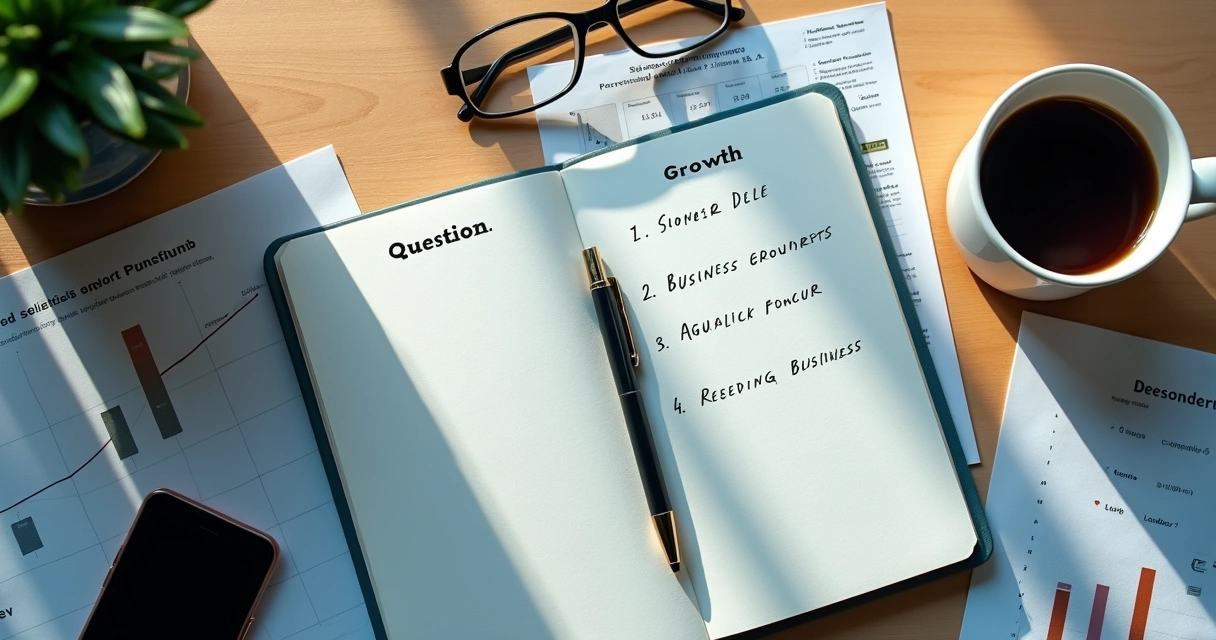
We do not need grand rituals to make reflection real. We need rhythm. Short pauses done with honesty often work better than rare dramatic resets.
A simple practice can follow a clear order:
Stop the stream of input for a fixed window.
Review what has grown, strained, or repeated.
Name one fact, one feeling, and one risk.
Choose one change that will affect daily behavior.
That last part matters a lot. Reflection that does not reach behavior becomes self-soothing. If we see that meetings are replacing thought, we reduce meetings. If we see that fear is driving tone, we address tone. If we see that a goal is causing hidden damage, we revise the goal.
We also think leaders should go first. When leaders admit confusion, fatigue, or a mistaken call without drama, the group becomes more truthful. That kind of honesty does not weaken authority. It gives authority moral weight.
Conclusion
Honest reflective pause brings sobriety to rapid growth cycles. It helps us keep results connected to reality, people connected to purpose, and action connected to awareness. Growth asks for courage, but not only the courage to move fast. It also asks for the courage to stop, look clearly, and tell the truth about what our speed is creating.
If we skip that pause, growth can become impressive and hollow at the same time. If we keep it, growth has a better chance to remain clean, human, and sustainable.
Frequently asked questions
What is an honest reflective pause?
An honest reflective pause is a deliberate moment to stop action and review what is happening without denial or self-protection. It includes facts, emotions, patterns, and consequences. The goal is to see clearly, not to feel comfortable.
How can reflection help rapid growth?
Reflection helps rapid growth by showing where speed is creating confusion, waste, weak communication, or hidden strain. It helps us correct direction early, protect quality, and make better decisions before small issues become larger ones.
Is reflective pause worth it during growth?
Yes, reflective pause is worth it during growth because it improves the quality of decisions made under pressure.
A short pause can prevent costly errors, reduce emotional reactivity, and keep teams aligned when demands rise quickly. It supports steadier progress instead of rushed expansion.
When should I use a reflective pause?
We suggest using a reflective pause during periods of fast change, after intense projects, before major decisions, when recurring tension appears, or when success is rising but clarity is falling. It is also helpful when teams look busy yet seem less connected.
How to practice honest self-reflection?
We can practice honest self-reflection by setting aside quiet time, writing down facts before opinions, naming our real emotional state, and asking what our current behavior is causing. It helps to end with one concrete change. The practice works best when done regularly and without distraction.